 Compact SUVs
 Seven-seat SUVs
 Hybrid SUVs
 Extended-body SUVs
2026 · Extended body
Cadillac Escalade ESV
41.5 cu ft
behind the third row
Maximum with seats folded: 142.2 cu ft. Confirm your exact configuration.
Read the manufacturer source Family SUV Brief
Family SUV research by Aiso

Founder & CEO, Aiso · LinkedIn
Updated September 8, 2026 · Manufacturer-data analysis
Compare family SUVs through original, source-backed insights. Explore the US, France, Germany, the UK and Spain, then tell us what you need.
Tell us what you need Is the longer version worth it?Specifications checked September 8, 2026. No road-test claims or paid rankings.
Relevant and Original Insights
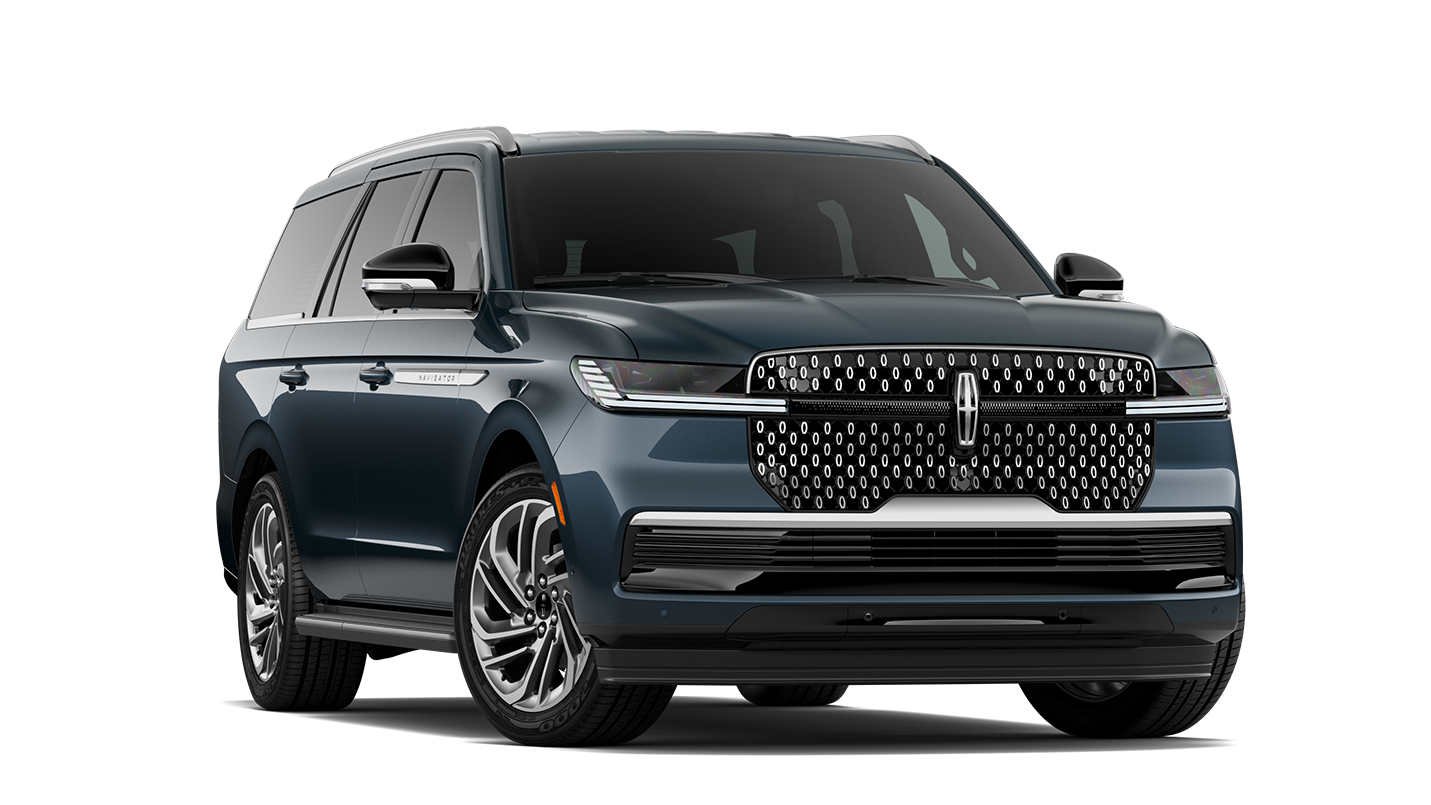
Only Navigator L and Escalade ESV clear that illustrative seats-up threshold. The other 3 of 5 variants do not: 3 ÷ 5 × 100 = 60%. Set your own requirement below; 35 cubic feet is not a universal family need.
Find your starting point
US premium SUV dataset · 2026
Seats up. Luggage in.
Seats up: behind-third-row volume. Filters always use this measure.
Largest published volume first within this five-variant sample. This is a cargo comparison, not an overall vehicle ranking.
5 variants match
2026 · Extended body
41.5 cu ft
behind the third row
Maximum with seats folded: 142.2 cu ft. Confirm your exact configuration.
Read the manufacturer source2026 · Extended body
36.1 cu ft
behind the third row
Maximum with seats folded: 121.6 cu ft. Confirm your exact configuration.
Read the manufacturer source2026 · Standard body
25.5 cu ft
behind the third row
Maximum with seats folded: 120.5 cu ft. Confirm your exact configuration.
Read the manufacturer source2026 · Standard body
21.6 cu ft
behind the third row
Maximum with seats folded: 107 cu ft. Confirm your exact configuration.
Read the manufacturer source2026 · Standard body
20.2 cu ft
behind the third row
Maximum with seats folded: 97 cu ft. Confirm your exact configuration.
Read the manufacturer sourceVolume does not guarantee a particular stroller or suitcase fits. Manufacturer measurement methods and seat positions may differ. Bring your luggage to a test drive.
A “maximum cargo” figure typically folds the seats your family needs. The five variants here retain about 20–30% of maximum cargo space with the third row in use. Choose the seating configuration first, then check the luggage space.
Focus on behind-third-row volume and access. Check your child seats and passengers in the exact vehicle.
Navigator L and Escalade ESV offer more published luggage volume. Check garage length and parking fit before committing.
Compare the extra spaceSUV research by country
France · SUV
À sept, le volume utile ne se lit pas sur la ligne cinq places.
Germany · SUV
Vergleichen Sie den Fünfsitzer mit dem Siebensitzer in derselben Nutzungssituation.
United Kingdom · SUV
A powertrain decision can also be a luggage decision.
Spain · SUV
Antes de comparar SUV, comprueba cómo se ha medido el volumen.
Research with a point